
Treasure Abyss creates a focused entry point for how each screen keeps action moving and smoother decision-making. Inside JILI77, the idea becomes easier to place beside other gaming choices before continuing into the next step. The section keeps the message useful, direct, and easy to connect.
Treasure Abyss overview and undersea battle flow
The main appeal of the game comes from how many moving targets appear without turning the screen into visual noise. Small fish cross quickly, mid-value creatures travel in patterns, and large enemies arrive with longer durability that changes how each shot should be used. The result is a fish shooting format that feels active, readable, and easy to learn while still leaving room for better decisions.
Treasure Abyss sets clear goals from the start
The objective is simple: hit fish, remove targets, and collect returns based on the creature type and cannon cost. Stronger cannons spend more per shot, so the screen constantly asks whether speed or efficiency matters more in that moment. A beginner usually does better by tracking movement lanes first, then firing only when several targets cross a stable angle.

>>> View more: Whale Fortune Brings Ocean Action Into Sharper Focus
Cannon levels shape every action on the screen
Cannon levels decide how much each shot costs and how effectively it handles stronger targets. Lower levels suit small fish moving in groups, while mid and high settings fit armored creatures, elite waves, and denser entry lines. Instead of raising power after every miss, shift only when target size, pace, and screen traffic clearly justify the extra spend.
Fish patterns matter more than constant firing speed
Many creatures move Treasure Abyss in arcs, clusters, or edge lanes that repeat often enough to study within a few minutes. That pattern recognition helps you place shots where fish are heading, not where they were a second earlier. When several small targets overlap a path, one measured burst often works better than long, scattered fire.
Reading targets and picking stronger value windows
A good session starts with reading the field before reacting to every moving shape. Some targets look impressive but consume too many shots for their likely return, while others sit in efficient lanes and deserve more attention. The sections below focus on where value usually appears and how support effects shift your next choice.
High-value fish reward timing over raw power
High-value fish often enter with slower movement, heavier durability, or escorts that clutter your line of fire. Treasure Abyss becomes easier to read when you wait for these targets to separate from crowded edges before increasing power. That pause reduces wasted shots and gives your cannon a cleaner angle on a target worth pursuing.
Boss entries change the screen priority immediately
Boss targets Treasure Abyss usually appear with larger frames, longer health pools, and stronger payout potential than common creatures. Once a boss enters, the best response is not blind pressure but a quick check of its route, speed, and nearby distractions. If the boss crosses a stable central lane, focused shots become more sensible than chasing several minor fish.
Support items can turn a crowded scene usable
Support items such as lock aim, freeze effects, chain blasts, or net-style hits can reshape a chaotic screen. Some effects help hold a valuable target in place, while others create a brief opening against dense schools crossing the same path. Use these tools when the screen already offers a good angle, not as a substitute for poor target selection.
Treasure Abyss favors selective bursts during busy waves
Busy waves tempt JILI77 players to hold the fire button without interruption, but that habit often spreads shots too widely. Rewards short, controlled bursts when clustered fish pass a narrow route or when a damaged elite target slows near center. That rhythm keeps pressure where it matters and avoids paying for shots with weak contact.
Shot rhythm, support tools, and session control
The final strategic layer is not about broad advice but about practical control during active screens. Your pace, angle, and cannon shifts should respond to what actually appears instead of following one fixed pattern. These points help build a cleaner routine from early targets to stronger late arrivals.
Aim through lanes instead of chasing single fish
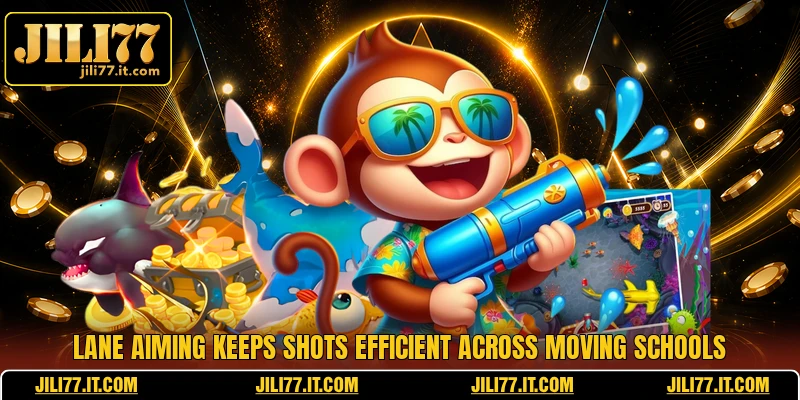
The strongest basic habit is aiming into travel lanes where multiple bodies may cross the same shot path. This approach improves contact frequency and reduces the common mistake of dragging aim behind fast fish near the border. When lanes tighten around mid-screen, one controlled line often beats several last-second adjustments.
>>> View more categories: Fish
Treasure Abyss becomes smoother with measured cannon shifts
Changing cannon level too often can break timing and cloud your reading of target durability. The game works better when you hold one level through a visible wave, then adjust after the screen changes or a boss enters. That steady approach helps compare shot cost against results without guessing after every brief sequence.
Use stronger shots only when the screen supports them
High-cost fire Treasure Abyss should follow a reason, such as a slowed boss, a packed school, or a heavy creature crossing center. In one practical example, a 1000-shot budget lasts longer when stronger fire is reserved for clean windows instead of constant use. This selective pattern gives each expensive shot a target worth the extra cost.
Building a practical routine for steadier fish shooting
A practical routine starts with low to mid cannon levels while you study the first waves and confirm fish movement. After that, raise power only for clear lanes, high-value creatures, or boss entries that stay visible long enough to justify pressure. This method keeps your shots organized and reduces the habit of reacting emotionally to every large target.
Another useful habit is separating targets into three groups: small fish for steady collection, mid-value creatures for efficient bursts, and bosses for deliberate focus. Treasure Abyss supports this structure because the screen usually shows enough movement clues to identify what deserves attention next. When support items appear, pair them with a target plan so their effect improves a smart angle instead of a random one.
The best long-term improvement comes from repeating this cycle until it becomes natural: read the field, choose a lane, match cannon power, and reassess after each wave. That process keeps the action clear even when the screen fills with armored fish, fast schools, and large enemies at once.

Conclusion
Treasure Abyss stands out through readable target patterns, flexible cannon levels, and boss moments that reward better timing instead of constant firing. JILI77 includes this title for players who prefer fish shooting with clear structure and active screen control. Use the ideas above, register when ready, and enjoy a smoother start with sharper aiming decisions.